
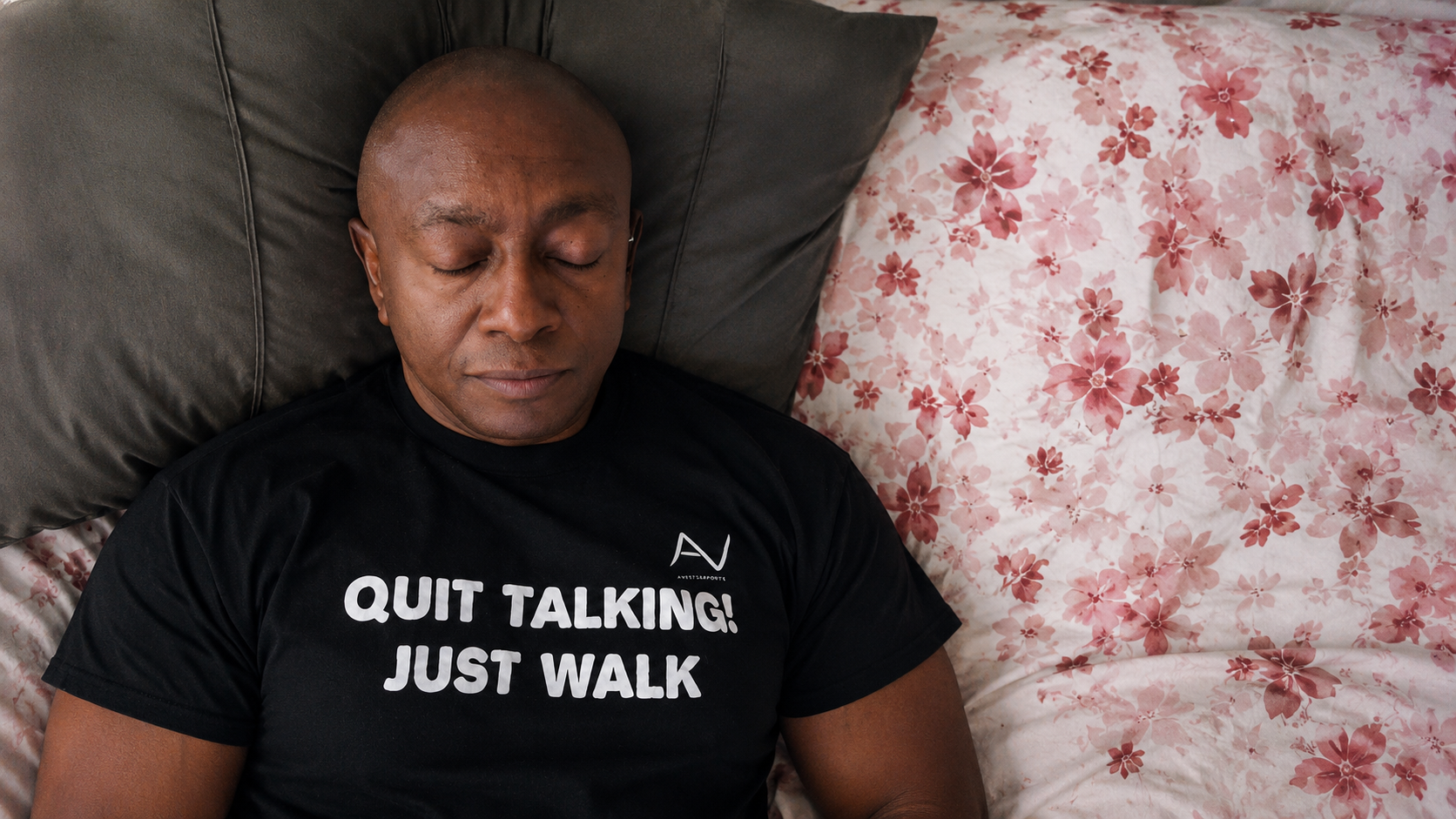
Sleep is not simply downtime—it is where recovery, restoration, and preparation for tomorrow happen. At AvestarSports, I track sleep alongside training, movement, nutrition, and recovery because how we sleep directly affects how we perform, feel, and function the next day.
What Sleep Score and Energy Score Tell Us
Your Sleep Score reflects the overall quality of your night’s rest, including sleep duration, consistency, recovery, and how well your body moved through the different stages of sleep. Your Energy Score looks at the bigger picture—combining sleep, activity, recovery, and other factors to estimate how prepared your body is for the day ahead. A high Sleep Score does not always guarantee an equally high Energy Score, which is why tracking both can reveal much more than simply counting the number of hours spent in bed.
Wake-Ups Matter More Than We Think
Waking during the night is normal, but the frequency and duration of those wake-ups matter. I pay particular attention to awake periods that cannot simply be explained by getting up to urinate or use the bathroom. Those unexplained awakenings may fragment sleep even when total sleep time looks good. Each interruption can pull the body out of a deeper sleep stage, forcing it to transition back through the sleep cycle and potentially reducing the restorative value of the night.
Why Total Sleep Time Can Be Misleading
Eight hours in bed does not automatically mean eight hours of restorative sleep. Frequent awakenings, long awake periods, and disrupted sleep cycles can reduce sleep quality even when the total duration appears excellent. This is why I look beyond the number of hours slept. Sleep continuity, deep sleep, REM sleep, wake-ups, and how I actually feel the next morning all help tell the real story. The goal isn’t simply to spend more time in bed—it is to make the sleep we get count.
The Weekend Difference: What More Sleep Reveals
One pattern I continue to notice in my own sleep data is the difference between weekdays and weekends. The weekend may be the only time I consistently have enough opportunity to sleep longer without the pressure of an early workday schedule. When that extra sleep coincides with a higher Sleep Score and better Energy Score, it tells me something important: my body may be using that additional time to recover from the demands accumulated during the week. Rather than viewing weekend sleep as simply “sleeping in,” I look at it as useful data about whether my normal weekday schedule is providing enough recovery.
AvestarSports Takeaway: Sleep isn’t just about how long you were in bed. Pay attention to your Sleep Score, Energy Score, wake-ups, sleep continuity, and how you actually feel the next day. The numbers are most useful when they help you understand your body and improve your habits.
Train Hard. Live Healthy. Recover Smart.
Leave a Reply